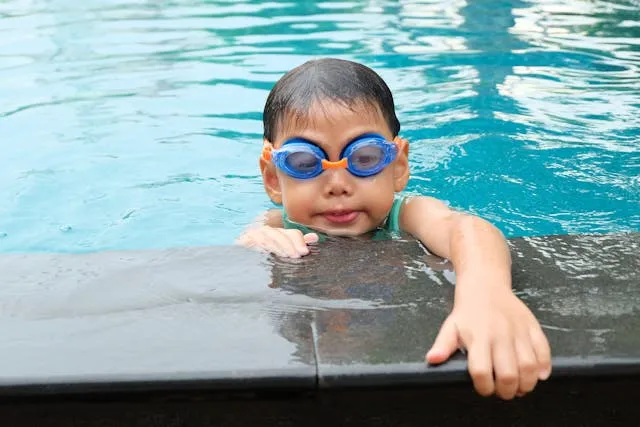
Tiny swimmers adapt to the water in ways that surprise adults, often responding more to rhythm and timing than to any specific technique. That’s why the length of infant swimming lessons matters just as much as the skills being introduced. Well-planned sessions in Springfield VA give infants the chance to enjoy the water while easing into early coordination and comfort.
Also Read: Best UTV and Can-Am Maverick X3 Windshields for Every Terrain
Importance of Short, Steady Lesson Durations for Infant Swimmers
Infants respond best to routines that feel predictable and calm, which is why shorter sessions often produce better engagement. For newly enrolled babies, a gentle introduction prevents overstimulation while still allowing them to learn early aquatic movements. Infant swimming lessons designed around condensed class times also help instructors monitor fatigue before it builds.
As lessons progress, infants begin to anticipate the flow of each session. This familiarity turns the water from an unfamiliar environment into a place where tiny learners can safely explore — all within controlled time limits. Springfield swimming lessons that maintain this steady approach often see smoother transitions from beginner movements to more intentional skills.
Benefits of Keeping Early Swim Sessions Brief but Consistent
Short sessions repeated weekly create an ideal learning rhythm for infants. These brief water experiences allow babies to absorb small pieces of information at a pace aligned with their developing brains. With repetition, even simple moments—like floating with support—become more natural.
Each class gives the instructor another chance to reinforce comfort and body awareness. Springfield VA families searching for infant swimming lessons near me often find that these consistent yet compact sessions help infants feel secure, leading to more progress with less stress.
Why Gentle, Time-bound Classes Support Infant Skill Development
Skill development in early swim education works best when lessons end before infants grow tired. Water movement involves muscles that babies don’t regularly use on land, making fatigue appear quickly. Short, time-bound classes prevent this fatigue from overshadowing new learning.
A slower introduction helps infants become familiar with the sensation of buoyancy, supported kicking, and instructor-guided motions. This measured environment lets them build patterns of trust and anticipation, turning each class into a positive milestone instead of an overwhelming workout.
Value of Age-appropriate Lesson Lengths for Little Learners
Each developmental stage brings different limits on focus and energy. Infants typically benefit from classes lasting between 20–30 minutes, long enough to learn yet short enough to stay relaxed. This duration supports everything from water acclimation to basic reflex training.
As infants grow, instructors in swimming lessons in Springfield VA may gradually extend class engagements, but only as attention spans increase. The goal is always to match lesson length with what the infant can genuinely handle without discomfort or stress.
How Proper Session Timing Helps Infants Build Water Confidence
Confidence in the water begins with positive associations. Proper session timing protects infants from becoming overstimulated, allowing them to link the water with comfort and security. Shorter classes help them feel successful instead of overwhelmed.
As the child becomes more familiar with pool routines, confidence grows naturally. The measured timing of early lessons creates a predictable setting where infants learn to trust the instructor, the water, and their own emerging abilities.
Influence of Lesson Duration on Early Comfort and Adaptation
Comfort develops gradually during infant swimming lessons, especially for very young children who are still forming sensory preferences. Short lessons help instructors introduce new skills slowly, so infants can adapt without feeling rushed. This helps prevent anxiety and promotes curiosity instead.
Adaptation also comes from repetition without burnout. Each brief class gives the infant a chance to remember last week’s experience while discovering something new — a balance that longer lessons rarely achieve with early-age swimmers.
Role of Measured Swim Time in Supporting Calm Infant Progress
Progress during infancy often appears through small cues: relaxed grips, smoother head control, steadier kicking, or calmer reactions to splashing. These improvements happen more reliably when the session length matches the infant’s capacity. Water familiarity deepens when infants leave the pool feeling content instead of worn out.
Measured time also gives the instructor space to build trust. Infants who know that sessions end before discomfort sets in tend to stay more engaged, enabling them to benefit from each repeated motion or gentle new activity.
Effect of Balanced Class Lengths on Long-term Water Familiarity
Long-term familiarity with water stems from consistency, comfort, and age-appropriate pacing. Balanced lesson lengths allow infants to build memories associated with joy rather than exhaustion. This foundation often carries into toddler swim programs with smoother transitions. Families often notice that infants who begin with shorter, well-structured classes adapt more quickly to extended lessons as they grow. Safe Splash offers age-tailored infant swimming lessons shaped around gentle timing and steady progression to support confident young swimmers.
