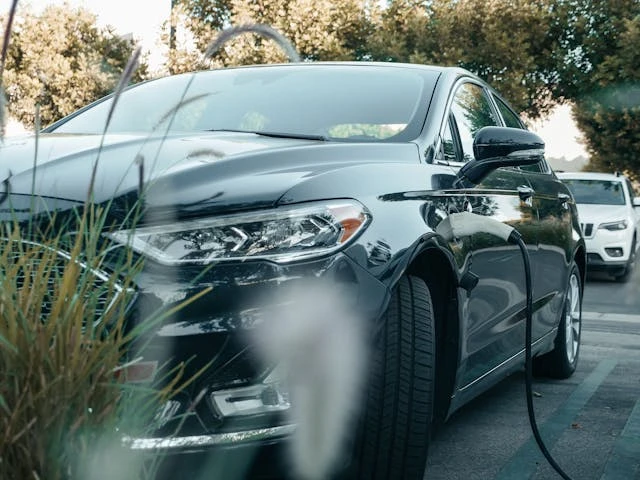
Luxury hybrid vehicles are redefining the automotive landscape by seamlessly merging high-end craftsmanship with cutting-edge sustainability and performance. As technology rapidly evolves, so too do the features and expectations surrounding luxury hybrids, setting new benchmarks for both opulence and ecological responsibility in the auto industry. Learn more about modern luxury hybrids and how they shape the future of driving experiences. Forward-thinking car manufacturers are pushing boundaries with electrification, digital intelligence, and innovative materials, crafting a vision of luxury where environmental stewardship and customization are as prized as sheer power.
Also Read: Recommended Duration for Infant Swimming Lessons in Springfield, VA
Today’s luxury car buyers seek vehicles that captivate with design and offer an effortlessly intelligent, connected, and eco-conscious experience. From rapid electrification to AI-powered personalization, the most luxurious hybrids on the market demonstrate that sophistication and sustainability can coexist. Intuitive features, pioneering technologies, and sustainable initiatives are not only meeting but also inspiring new aspirations for automotive excellence. The elevated expectations of discerning consumers are motivating automakers to invest in green technology and digital interactivity like never before, signaling a new era for the luxury auto sector.
Electrification and Performance Enhancements
Electrification stands out as a pivotal shift in the luxury vehicle market. High-end automakers, including Mercedes-Benz and Lexus, are integrating hybrid systems that combine electric motors and internal combustion engines. This synergy results in vehicles with immediate torque, silent acceleration, and impressive fuel efficiency, qualities that resonate strongly with modern luxury buyers. Progressive models like the Range Rover Sport Electric epitomize the fusion of refined design and green performance principles. Enhanced battery technologies, such as solid-state innovations, are set to improve driving range and reduce charging times, addressing key concerns for luxury EV adoption. Demand is increasingly driven by both regulatory frameworks and consumers’ growing desire to make environmentally conscious choices without sacrificing performance or style. According to the U.S. Department of Energy, advanced electrification has become key to maximizing fuel economy while preserving powerful, sporty drive experiences.
AI Integration for Personalized Experiences
Artificial intelligence is playing a transformative role in the luxury automotive segment. Modern hybrids feature AI-powered systems that anticipate driver needs, adapt cabin environments, and provide intelligent diagnostics. Voice-activated infotainment, predictive maintenance alerts, and gesture recognition systems are turning vehicles into extensions of their owners’ preferences and routines. Advanced AI can analyze driving patterns, schedule maintenance, and even customize comfort settings, enhancing the overall driving experience. This level of personalization enables luxury hybrid vehicles to create a deeply intuitive user experience, where proactive adjustments ensure maximum convenience and peace of mind. The move towards intelligent mobility highlights luxury automakers’ commitment to redefining high-end service and sophistication in every journey.
Advancements in Autonomous Driving
The advent of autonomous driving is redefining expectations for safety and convenience in luxury vehicles. Many new hybrids now offer Level 3 or greater automation that allows hands-free driving in designated scenarios, such as highway cruising or urban traffic jams. These systems use a combination of lidar, cameras, and radar sensors, all orchestrated by highly sophisticated neural networks that respond to dynamic road conditions in real time. Leading brands like Audi and BMW have equipped their flagship models with predictive accident-prevention and lane-keeping technologies, helping prevent collisions and reduce driver fatigue.
Sustainable Materials and Customization
The luxury sector is increasingly focused on sustainability, not just in performance but in vehicle construction and interior design. Automakers are incorporating recycled metals, vegan leather, and responsibly sourced wood to appeal to eco-conscious buyers. At the same time, customization remains central; consumers can select from a range of unique trims, finishes, and digital personalization options. Digital interfaces enable owners to tailor app layouts, entertainment systems, and even ambient lighting profiles, making every vehicle a reflection of its owner’s personality and lifestyle. Green luxury cars are rapidly becoming a priority for manufacturers aiming to build lasting customer loyalty through both sustainability and tailored design.
Emerging Technologies in Luxury Hybrids
Beyond electrification and AI, several groundbreaking technologies are setting new standards in the luxury hybrid market. Solid-state batteries offer improved safety, higher energy density, and faster charging than traditional lithium-ion batteries. Major investments from brands like Toyota and BMW are accelerating the commercial viability of these next-generation batteries. Wireless charging technology promises added convenience, allowing drivers to recharge their vehicles simply by parking over embedded garage or roadway pads. Augmented reality displays, biometric security features, and advanced connectivity systems are further elevating the ownership experience, pointing to an era where the blend of technology and luxury grows ever more seamless.
Market Trends and Consumer Preferences
Today’s luxury car buyers prize not just exclusivity but also environmental responsibility, advanced in-car technology, and design personalization. As digital integration becomes more sophisticated and green technology more desirable, hybrid luxury vehicles are moving beyond status symbols to become thoughtful, sustainable choices for the modern driver. This shift reflects a broader move within the auto industry where consumer values increasingly shape design priorities and product development, resulting in vehicles that truly redefine what it means to drive in style and with conscience.
Challenges and Opportunities
The path towards fully electrified luxury vehicles is not without obstacles. Challenges include expanding charging infrastructure, ensuring battery recycling, and managing the high costs associated with pioneering technology. Nonetheless, these hurdles present opportunities for innovation, competitive differentiation, and leadership in the luxury market. Automakers that successfully invest in green manufacturing, intelligent technology, and next-level personalization can expect to win long-term loyalty from a discerning clientele who value both performance and principles.
Conclusion
The future of luxury hybrid vehicles is taking shape at the intersection of innovation, sustainability, and personalization. As luxury automakers continue to transform their offerings, drivers can look forward to vehicles that not only exceed their expectations for comfort and performance but also align with their evolving values and lifestyles. With advancements in AI, electrification, and design, the next generation of luxury hybrids promises driving experiences that are as thoughtful as they are exhilarating.
