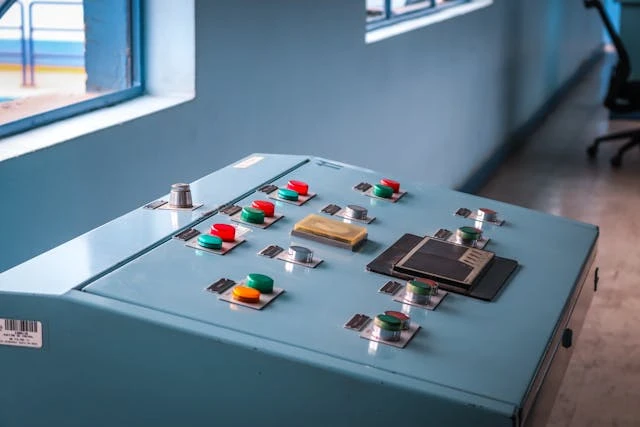
Industrial systems often appear to run smoothly on the surface, yet deeper inefficiencies can quietly reduce output and reliability. Skilled engineers look beyond alarms and dashboards to uncover patterns that affect long-term performance. A trained PLC programming company evaluates systems at a level where small details reveal larger operational risks.
Also Read: How a Huntsville Injury Lawyer Explains Comparative Fault
Hidden Process Bottlenecks
Production slowdowns rarely come from a single obvious failure point. Subtle timing delays between machines, inefficient sequencing, or overloaded steps in the process can restrict throughput without triggering alarms. A PLC system integrator studies cycle times and data flow to identify where delays build up.
These bottlenecks often sit between operations rather than within them, making them harder to detect. Adjusting PLC programming logic or redistributing tasks can restore balance across the system. Careful analysis allows operations to run at full capacity without unnecessary strain on equipment or operators.
Latent Logic Vulnerabilities
Control logic may function correctly under normal conditions but fail when unusual scenarios occur. Edge cases such as unexpected inputs, sensor conflicts, or power interruptions can expose weaknesses in the program. A PLC programming company reviews ladder logic and structured code to find gaps that standard testing might miss. These vulnerabilities can lead to system instability or unplanned shutdowns. Strengthening logic ensures consistent performance across all operating conditions. Custom PLC solutions often include safeguards that handle rare events, preventing disruptions that could otherwise halt production or damage equipment.
Future Scalability Constraints
Systems designed for current demand may struggle when production expands. Limited input/output capacity, rigid programming structures, or outdated hardware can restrict growth. A PLC system integrator evaluates whether the existing setup can support additional processes or increased load.
Planning for scalability during PLC programming helps avoid costly redesigns later. Flexible architecture allows new equipment or functions to be added without major disruption. Forward-thinking design ensures that the system evolves with operational needs rather than becoming a limitation over time.
Inefficient Energy Consumption Patterns
Energy waste often goes unnoticed because systems continue to operate without visible issues. Motors running longer than necessary, idle equipment drawing power, and inefficient sequencing all contribute to higher costs. A PLC programming company analyzes usage patterns to identify areas where energy can be reduced. Adjustments to timing, shutdown sequences, and load distribution can improve efficiency.
Custom PLC strategies often include energy management features that optimize performance without sacrificing output. These improvements lower operating expenses while supporting sustainable practices within the facility.
Subtle Sensor Drift and Decay
Sensors play a critical role in maintaining accuracy, yet their performance can degrade gradually. Small calibration shifts may not trigger alarms but can affect measurements and process outcomes over time. A PLC system integrator monitors data trends to detect inconsistencies that indicate sensor drift.
Regular validation within PLC programming helps maintain precision across operations. Addressing these changes early prevents errors from spreading through the system. Maintaining sensor reliability ensures that decisions based on data remain accurate and consistent.
Network Jitter and Communication Lag
Communication delays between devices can disrupt synchronization and reduce system efficiency. Network jitter, packet loss, or inconsistent signal timing may cause commands to arrive late or out of sequence. A PLC programming company evaluates network performance to identify these issues. Improvements may include optimizing communication protocols or upgrading network infrastructure. Reliable data exchange supports smooth coordination between components. Addressing these factors ensures that systems respond accurately and maintain consistent timing across all operations.
Operator Interface Gaps
Human-machine interfaces often determine how effectively operators interact with the system. Poor layout, unclear alerts, or limited access to critical data can lead to errors or delays. A PLC system integrator reviews interface design to improve usability and clarity.
- Clear alarm descriptions help operators respond quickly
- Organized screen layouts reduce confusion during operation
- Real-time data visibility supports better decision-making
- Simplified controls minimize the chance of input errors
Improved interface design enhances efficiency and reduces reliance on guesswork, allowing operators to manage systems with confidence.
Long-term Hardware Fatigue
Mechanical and electrical components experience wear that may not be immediately visible. Repeated cycles, temperature changes, and electrical load gradually weaken hardware over time. A PLC programming company tracks performance data to identify early signs of fatigue.
Predictive maintenance strategies can then be implemented to replace components before failure occurs. Custom PLC monitoring systems provide alerts based on usage patterns rather than waiting for breakdowns. This approach reduces downtime and extends the lifespan of critical equipment.
Facilities seeking deeper system insight often turn to experienced teams like RL Consulting for advanced evaluation and optimization. Their expertise as a PLC programming company allows them to uncover hidden inefficiencies, strengthen system logic, and improve long-term performance. Through custom PLC solutions and detailed analysis, RL Consulting helps operations run more efficiently while preparing systems for future growth and reliability.
