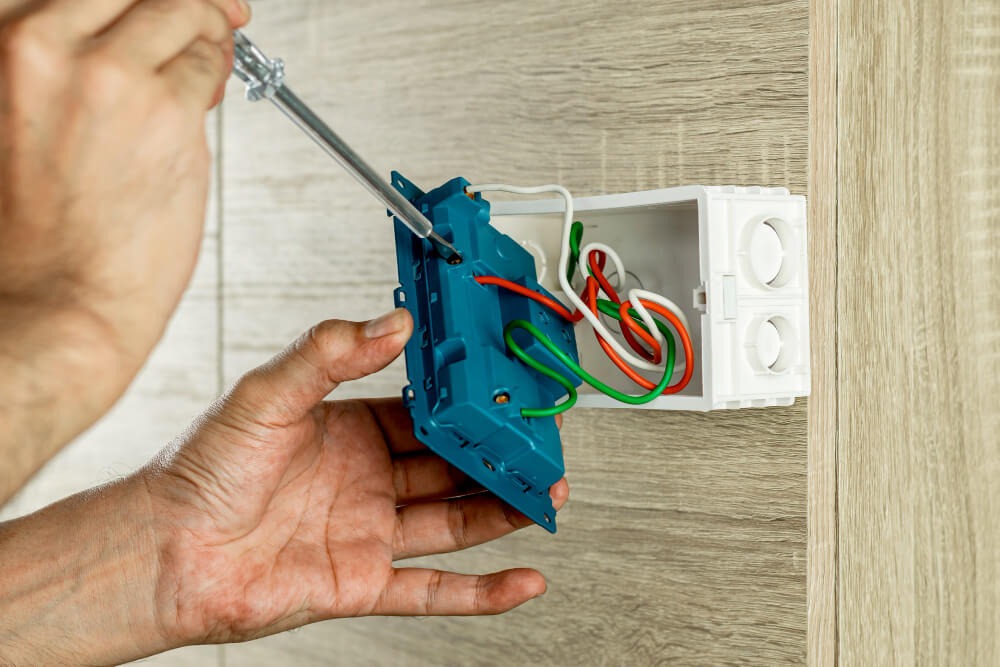
Why Electrical Safety Matters At Home
Electrical safety is a crucial yet sometimes overlooked part of a secure household. Electrical systems silently power almost every aspect of modern living, but a minor oversight or aging component can lead to devastating consequences. According to the National Fire Protection Association (NFPA), electrical failures or malfunctions contribute to an alarming number of home fires in the U.S. every year. Practicing electrical safety isn’t just about avoiding inconvenience—it’s about protecting your loved ones, preserving your property, and promoting peace of mind. Given the increasing demand for power in today’s homes, especially as we add more smart devices and appliances, regular assessments and upgrades are essential. Proactive improvements such as Matthews NC electric panel upgrades can help reduce risks linked to overloaded or outdated electrical systems, ensuring your home is both safe and energy efficient. Taking the time to schedule professional inspections can uncover hidden issues before they escalate into emergencies. Simple habits, like avoiding overloaded outlets and using surge protectors, also go a long way in preventing hazards. Ultimately, making electrical safety a household priority creates a stronger foundation for comfort and long-term security.
Common Electrical Hazards In Households
Every household, regardless of age or size, is susceptible to certain electrical dangers. The most frequent hazards include overloaded outlets, frayed cords, outdated wiring, and improper use of extension cords. Plugging too many high-wattage devices into a single outlet, for instance, can quickly overtax your electrical panel and create a serious fire risk. Water and electricity are a dangerous mix, making kitchens and bathrooms especially vulnerable if devices or cords come into contact with moisture. Another common but often ignored hazard is using lightbulbs that exceed the recommended wattage for their fixtures. Even a small oversight can result in overheating or even a fire. Being vigilant and knowing where these risks can arise is the first step in creating a safer home environment.
Everyday Habits For Safer Living Spaces
- Unplug appliances and electronics when they’re not in use.
- Keep liquids and electrical devices separate, especially in kitchens and bathrooms.
- Avoid daisy-chaining power strips or plugging multiple high-power items into a single outlet.
- Use surge protectors to safeguard valuable electronics.
- Inspect cords, plugs, and outlets regularly for visible damage or wear.
Establishing consistent routines can dramatically decrease your risk of preventable accidents. Setting reminders for family members to unplug devices or doing quick visual checks during household chores can make these habits second nature. Encourage everyone in your home to take electrical safety seriously—shared responsibility leads to better outcomes for all.
Yearly Electrical Safety Checklist
- Test all smoke and carbon monoxide detectors to ensure they function properly.
- Inspect your breaker panel for signs of wear, rust, or overheating—such as scorch marks or odd smells.
- If your home is more than 30 years old, consider having a licensed electrician perform a thorough wiring inspection.
- Check that all ground-fault circuit interrupters (GFCIs), especially those in kitchens, bathrooms, and outdoor areas, are working as intended.
Scheduling an annual review not only provides peace of mind but can also catch concerns before they become emergencies. If you notice frequent breaker trips or flickering lights, contact a professional immediately to prevent potential damage or fire. Regular checks create a safer, more reliable living environment for your family.
Protecting Children And Pets From Electrical Dangers
Curious children and playful pets are at higher risk of injury from exposed electrical outlets, tangled cords, or appliances left within reach. Investing in tamper-resistant outlets and outlet covers is a simple yet effective step to safeguard young family members. Tidy up loose cords with cable organizers or cord concealers, keeping them well out of reach. Reinforce boundaries and teach children about the dangers of inserting fingers or objects into outlets. Proactive measures can prevent many incidents before they happen. For more detailed tips on childproofing and pet-proofing your home, consult expert resources like the Electrical Safety Foundation International (ESFI).
Modern Solutions For A Safer Home
Advancements in home technology offer significant improvements in electrical safety. Ground-fault circuit interrupters (GFCIs) and arc-fault circuit interrupters (AFCIs) can help prevent shocks and electrical fires, particularly in vulnerable areas like kitchens and bathrooms. Smart outlets and power strips now offer features such as automatic shutdown when an overload is detected, and whole-home surge protection shields sensitive devices from power spikes. Although some modern upgrades might require a certified electrician, these investments can greatly enhance safety and even increase your home’s value. Rely on professional recommendations when considering major system upgrades or appliance installations.
How To Respond To Electrical Emergencies
Even with all precautions, emergencies can occur. Reacting quickly and correctly can save lives and property. Never use water to put out an electrical fire—use a Class C fire extinguisher instead, or deactivate power at the main breaker if it’s safe to do so. In case of electric shock, use a dry, non-conductive object—like a wooden broom handle—to move the victim away from the source before calling emergency services. Teach everyone in your household how to safely shut off power at your main panel and make sure your address and emergency contacts are easily accessible. Preparation is the key to an effective response under pressure.
The Power Of Ongoing Electrical Safety Education
Continuous learning is vital for maintaining a safe home. Take advantage of local fire department seminars or online tutorials to stay updated on best practices and innovations in electrical safety. Encourage friends and neighbors to join you—community awareness can prevent many accidents. Resources provided by large organizations like the NFPA can be especially valuable for both practical advice and the latest statistics. Many electrical accidents are preventable through simple awareness and education. Promoting ongoing learning for your family not only equips you for emergencies but also fosters a culture of safety in your neighborhood.
Conclusion
Electrical safety is not a one-time effort but an ongoing commitment to protecting people and property. By recognizing common hazards, practicing safe daily habits, scheduling yearly inspections, and adopting modern solutions, households can significantly reduce risks. Most importantly, fostering awareness and education ensures that every family member plays a role in maintaining a safe and secure home.
