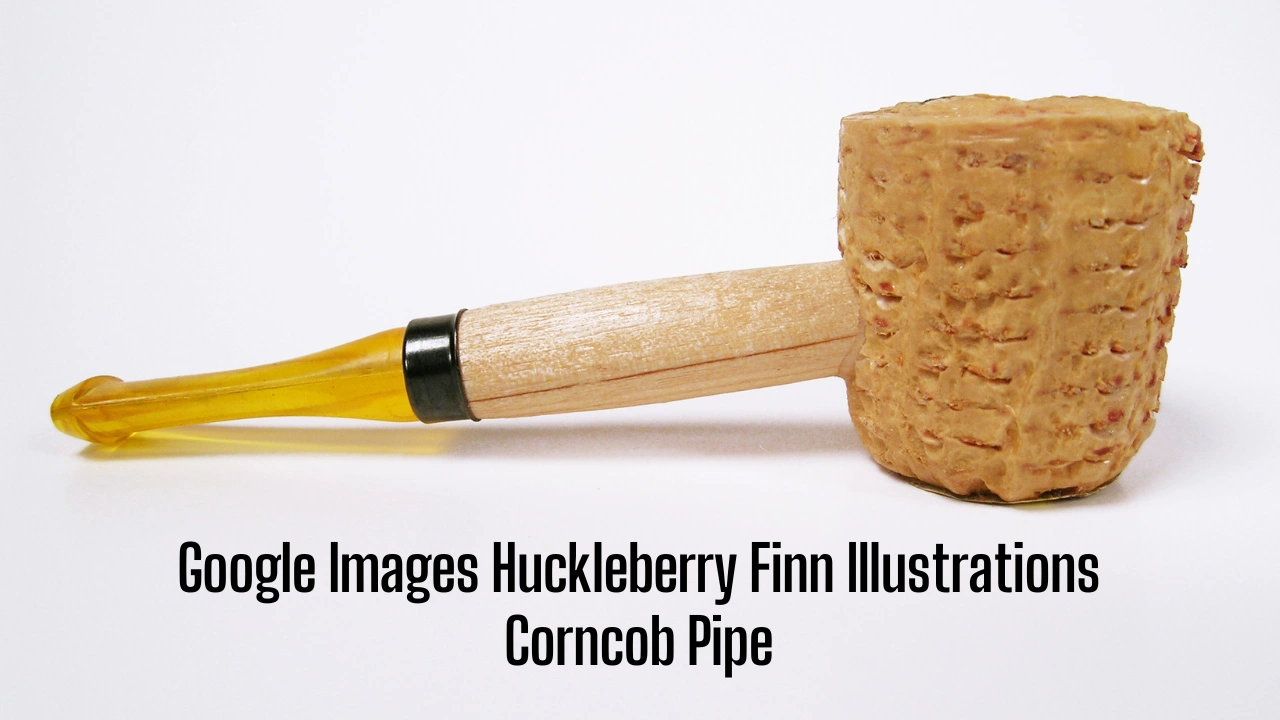
The character of Huckleberry Finn is one of the most recognized figures in American literature. Created by Mark Twain, Huck Finn represents adventure, freedom, and rebellion. His image has been shaped by various illustrators over time, each artist adding unique elements to his portrayal. A common detail seen in many depictions is Huck Finn with a corncob pipe, a symbol often associated with rural life and independence. Searching Google Images Huckleberry Finn illustrations corncob pipe provides a visual history of how different artists have represented this literary character.
Illustrations help define how readers imagine Huck Finn. The corncob pipe is not a prominent detail in Twain’s novel, yet many artists have included it in their depictions. This raises questions about historical accuracy and artistic interpretation. Was Huck Finn really a smoker, or is this just a creative choice made by illustrators? Exploring Google Images Huckleberry Finn illustrations corncob pipe reveals the evolution of Huck’s imagery across generations.
What is Google Images Huckleberry Finn Illustrations Corncob Pipe?
Searching Google Images Huckleberry Finn illustrations corncob pipe reveals a wide range of artistic interpretations of Mark Twain’s famous character. Many illustrations depict Huck Finn as a barefoot, adventurous boy, sometimes with a corncob pipe, though Twain’s novel does not emphasize this detail. The pipe has become a symbolic addition by artists, reinforcing Huck’s rugged and independent personality.
The corncob pipe in Huck Finn’s illustrations represents a blend of historical imagery and creative interpretation. While early sketches by E.W. Kemble rarely included the pipe, later artists incorporated it to add depth to Huck’s character. A simple Google Images Huckleberry Finn illustrations corncob pipe search showcases how this small artistic choice has influenced the public perception of Twain’s literary icon.
Also Read: Davonkus The Future of Sports Performance Excellence
Early Illustrations of Huckleberry Finn
The earliest images of Huck Finn come from the first edition of The Adventures of Huckleberry Finn, published in 1885. The book featured illustrations by E.W. Kemble, an artist chosen by Twain himself. Kemble’s drawings set the foundation for Huck’s visual identity, showing him as a scrappy, barefoot boy with a straw hat.
When searching Google Images Huckleberry Finn illustrations corncob pipe, many of these original illustrations appear. However, Kemble’s early sketches rarely depicted Huck with a corncob pipe. Later artists added this element, possibly to emphasize Huck’s rugged, rebellious character. The corncob pipe became an artistic symbol rather than a detail taken directly from the book.
Also Read: VC7774 An Ultimate Guide
Why is Huck Finn Often Shown with a Corncob Pipe?
The corncob pipe is a strong cultural symbol in American history. During the 19th century, corncob pipes were inexpensive and widely used, especially in rural areas. Many people associate the pipe with independent, self-reliant individuals who lived off the land.
Although Huck Finn is often illustrated with a corncob pipe, Twain’s novel does not frequently mention him smoking. Huck was a young boy on the run, more focused on adventure than tobacco. However, artists may have included the corncob pipe to give Huck a more rebellious, carefree look. Searching Google Images Huckleberry Finn illustrations corncob pipe brings up many examples of this artistic choice.
Depictions of Huck Finn in Google Images
A search for Google Images Huckleberry Finn illustrations corncob pipe displays a variety of artistic interpretations. Some images come from old book editions, while others are modern adaptations. There are a few key types of illustrations that appear frequently:
- Classic Book Illustrations – These include drawings from early editions of Huckleberry Finn, mostly created by E.W. Kemble and later artists.
- Modern Artistic Renderings – Contemporary artists reimagine Huck Finn, sometimes adding the corncob pipe as a creative choice.
- Film and TV Adaptations – Some movie adaptations show Huck with a corncob pipe, although modern versions avoid depicting underage smoking.
Evolution of Huck Finn’s Imagery
The visual representation of Huck Finn has changed over time. Early illustrations focused on historical accuracy, while later ones added more artistic liberty. The table below highlights the differences:
| Time Period | Huck’s Appearance | Use of Corncob Pipe |
|---|---|---|
| 1885 (E.W. Kemble) | Barefoot, straw hat, ragged clothes | Rarely depicted with a pipe |
| 1900s–1950s | Similar to original but with slight exaggerations | Occasionally shown with a pipe |
| Modern Illustrations | More stylized, adventurous look | Frequently depicted with a corncob pipe |
Artistic Interpretation vs. Historical Accuracy
The debate between artistic interpretation and historical accuracy is common in literature-based illustrations. Artists add details to enhance a character’s personality, even if those details were not present in the original text. Huck Finn’s corncob pipe is one such example.
Searching Google Images Huckleberry Finn illustrations corncob pipe shows that some artists have chosen to include the pipe while others have not. The question remains: does the pipe make Huck look more like a rebellious adventurer, or does it distort Twain’s original portrayal?
Also Read: Cảbon Complete Details
The Role of Corncob Pipes in 19th-Century American Culture
In the 19th century, corncob pipes were inexpensive, widely used, and associated with rural life, particularly in the Southern and Midwestern United States. Farmers, workers, and even young boys were familiar with them, as they were easy to make and readily available. The frequent depiction of Huck Finn with a corncob pipe in illustrations could be a reflection of this cultural background, even if Twain’s novel did not strongly emphasize it.
Although smoking was common in that era, society’s perception of tobacco use by children has changed over time. Today, images of young boys with corncob pipes might be viewed as inappropriate, leading modern illustrators to avoid this detail. Despite this shift, older illustrations showing Huck Finn with a corncob pipe continue to appear in searches, maintaining their influence in literary art.
Impact of Illustrations on Huck Finn’s Image
Illustrations play a crucial role in shaping a character’s legacy. Many readers form their first impressions of Huck Finn based on images rather than text. If an illustration shows Huck with a corncob pipe, people may assume he was a smoker, even though Twain did not emphasize this in the novel.
This shows how art influences public perception. Searching Google Images Huckleberry Finn illustrations corncob pipe highlights the power of visual storytelling. Even small artistic choices, like adding a corncob pipe, can reshape how a character is remembered.
Also Read: Ceciir Turkish Food and Cultural Significance
Modern Cultural Views on Huck Finn’s Portrayal
Today, discussions about Huck Finn’s portrayal have expanded beyond just illustrations. Issues like racial representation, censorship, and historical accuracy influence how new editions of Huckleberry Finn are published.
Modern adaptations tend to avoid showing a young boy smoking, which is why the corncob pipe is less common in recent illustrations. However, in older images, the corncob pipe remains a frequent detail. Searching Google Images Huckleberry Finn illustrations corncob pipe reveals this shift in artistic trends.
Why Do People Search for Google Images Huckleberry Finn Illustrations Corncob Pipe?
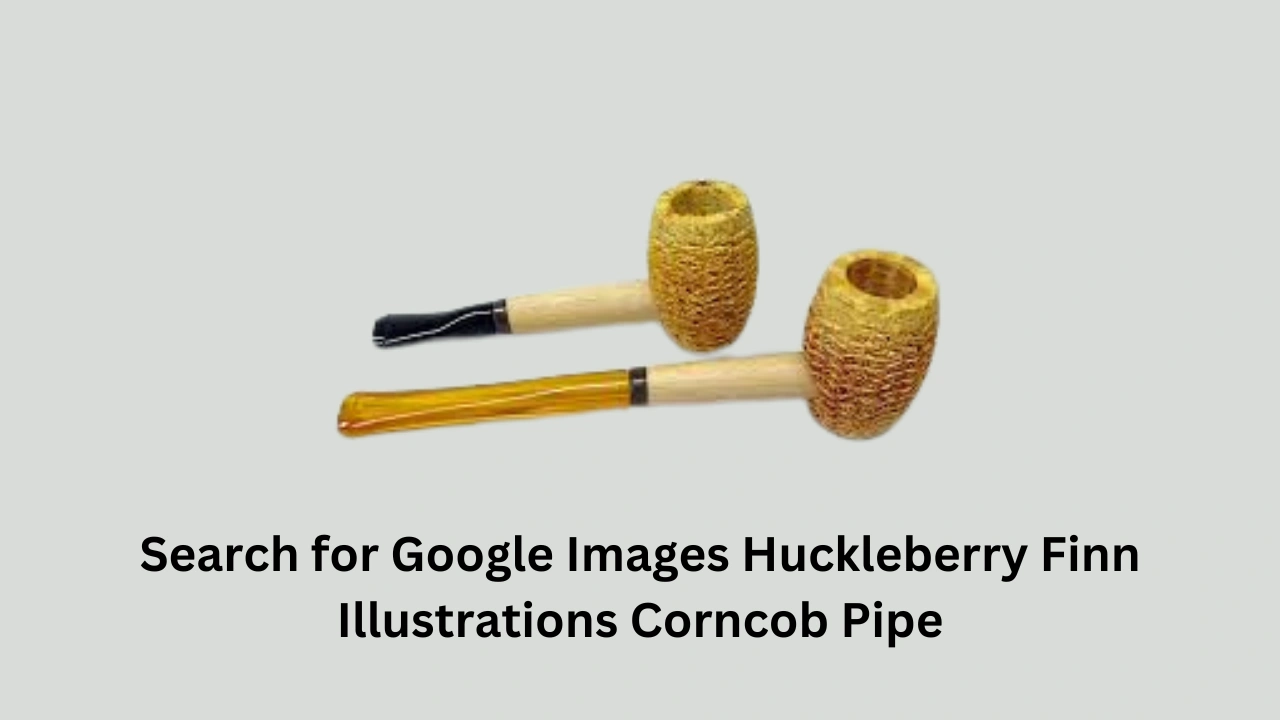
There are several reasons why people look up Google Images Huckleberry Finn illustrations corncob pipe:
- Literary Research – Scholars and students analyze how Huck Finn has been visually represented over time.
- Artistic Inspiration – Artists study previous illustrations to create new adaptations of Huck Finn.
- Pop Culture Interest – Fans of Huckleberry Finn explore different depictions of the character.
- Historical Curiosity – Some people want to understand how corncob pipes were associated with 19th-century American life.
Also Read: Incidentalseventy Character Overview and Analysis – Real Info
Conclusion
Huckleberry Finn’s image has evolved over time, with different artists adding their interpretations. The corncob pipe is one of the most debated elements in his illustrations. Searching Google Images Huckleberry Finn illustrations corncob pipe provides insight into how Huck has been visually represented in different eras.
Although Twain did not strongly associate Huck with smoking, the corncob pipe remains an enduring artistic choice. Whether or not this detail is historically accurate, it has shaped the way people see Huck Finn. The illustrations continue to spark discussions, keeping Twain’s classic character alive for new generations.
